






Timber and retrofit
Contents |
[edit] Introduction
Retrofit means installing measures to prevent heat loss, saving energy in homes. Organisations like the Federation of Master Builders are calling on government for greater investment in retrofit. The national federation of Builders have estimated that around 28 million homes may need retrofitting for Britain to reach its legally binding climate change commitments
Timber and wood products can play a major part in retrofit projects. Energy-efficient timber windows and doors can help reduce energy loss. Using a sub-floor base panel below any flooring being renewed will help to keep heat in and draughts out. Wood fibre insulation has the advantage of breathability, reducing humidity and mould. Interior wood cladding can also help to retain heat.
Timber also plays a much wider part in reducing Embodied Carbon in retrofit projects of all sizes. Growing trees take CO2 out of the atmosphere and store it in their wood fibre for its lifetime in use, whether that is as engineered timber products, carcassing, wood-based panels, or decorative mouldings.
[edit] What timber products can be used in retrofit?
[edit] Wood fibre insulation
Energy efficiency needs to go hand-in-hand with internal air quality in retrofit projects, if they are to provide long-lasting value for customers. Wood fibre insulation helps to regulate humidity within a building, reducing the build-up of mould and dust mites, both of which can cause or exacerbate conditions such as asthma.
Wood fibre insulation comes as flexible or rigid boards, some with Tongue & Groove profile options, for use in roofs, ceilings, walls, and floors. It is also available in an air-injected form. Rigid boards can be used to insulate lofts or to retrofit cold walls. Flexible insulation can be useful for retrofitting older properties where walls may be uneven. Products are also made for specialised situations such as wedge-shaped sections for window cills.
[edit] Wood panel products
Airtightness tests show where the greatest heat is being lost from a property. Panel products are now being specifically designed to improve airtightness, to act as an air barrier but also to control vapour. The key to selling the right product is to question your customers on what they are trying to achieve and find a product that matches their requirements.
More day-to-day panel products, such as OSB and chipboard, are also applicable to retrofit projects. OSB3 is used as internal sheathing to cover insulation being installed between studding in walls and loft conversions. It is also available in Tongue & Groove format to cover loft floors under which new or additional insulation has been installed. Chipboard can also be used for boarding over insulation on loft floors.
[edit] Timber cladding
Timber is a natural thermal insulator, which makes interior timber cladding a good option for retrofit projects.Claddings can be installed either as wainscoting, covering the lower half of a wall, or as full wall cladding.Customers will need battening to fix the cladding in place. Combining panelling with, for example, breathable wood fibre insulation, can add an extra layer of heat retention within a home.
[edit] How can timber help in larger retrofit projects?
Timber has the best, namely the lowest - embodied carbon of any building material currently available meaning it can be a great solution to reducing embodied carbon on larger retrofit projects. The embodied carbon in a building comprises the carbon emissions associated with sourcing materials, manufacturing them into products, transporting those products or building elements to site, and installing them in the building. For timber and wood products, this includes growing and harvesting the trees, processing them and suppling them to the builders’ merchant.
Engineered timber products are allowing developers to deploy structural timber frames to extend existing buildings upwards whilst making carbon savings compared to energy intensive options such as steel and concrete structures. Significant weight savings also mean that minimal reinforcements to existing foundations are required.
Aside from their lower embodied carbon and lighter weight, structural timber frames can bring logistics and programme benefits too. With offsite manufacture, fewer resources are required on site and fewer lorry movements; time on site can be lessened with less disruption to neighbours and businesses.
[edit] Improving wellbeing
Research for the Wood Window Alliance found that 49% of consumers felt having natural materials in their home made them discernibly happier. The wellbeing aspect and natural aesthetic of timber is another factor to be considered when retrofitting existing housing stock.
--Timber Development UK 16:49, 22 Dec 2022 (BST)
[edit] Related articles on Designing Buildings
- Alteration work.
- Definitions of retrofitting.
- Energy efficiency of traditional buildings.
- Fabric first.
- How to deal with retrofit risks.
- LETI publishes Climate Emergency Retrofit Guide.
- National Retrofit Strategy NRS.
- Refurbishment.
- Renovation.
- Renovation v refurbishment v retrofit.
- Retrofit and traditional approaches to comfort.
- Retrofit coordinator.
- Retrofit, refurbishment and the growth of connected HVAC technology.
- Retrofitting solar shading.
- Shallow retrofit.
- Step-by-step retrofit.
- The Each Home Counts report and traditional buildings.
- Whole house approach.
- Whole house retrofit plan.
Featured articles
Check out some of the best features and news from Designing Buildings as well as key stories from around the web.

The real barrier to getting more value from digital technology.

Your guide to The Construction Reset at UKCW Birmingham.

Accommodating the Victorian and Edwardian working woman. Book review.
Rethinking passive fire protection in design

PFP demands the same level of design rigour as structure or services.

38% of Gen Zs feel safe when a fire door is wedged open.
Stunning images from around the world
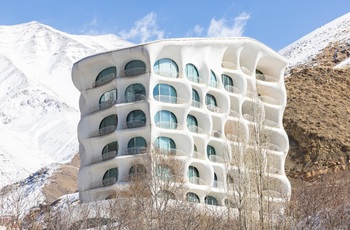
Shortlist for CIOB’s Art of Building photography competition.
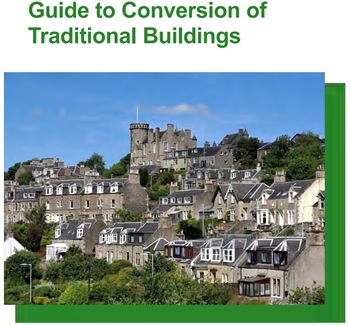
Guidance for conversion of traditional pre-1919 stone buildings.
Industrial heritage in the Ruhr
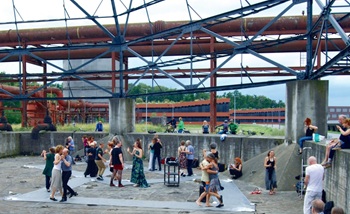
A marked difference to the fate of industrial landscapes in the UK.
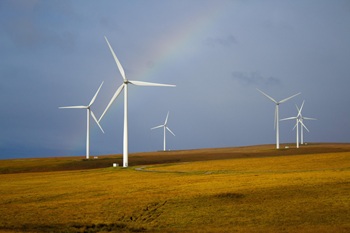
Communities will be able to build their own clean energy.
Why diversity and inclusion matters for SMEs

CIOB’s D&I Charter shows how practical changes can support long-term growth.
Cut electricity bills to power growth

Coalition sends joint letter to the Chancellor.

Gasholders: a history in pictures. Book review.
Comments
[edit] To make a comment about this article, click 'Add a comment' above. Separate your comments from any existing comments by inserting a horizontal line.